The first question most people ask about South Africa is to do with crime. And after watching the BBC show with Louis Tredoux last night I am really not surprised since that’s what people see. I wouldn’t set foot anywhere near Hillbrow at night which is where Louis Tredoux was filming.
The Foreign and Commonwealth Office says “There is a high level of crime, but most occurs in townships and isolated areas away from the normal tourist destinations. More that 460 000 Britons visit South Africa every year. Most visits are trouble free.”
I know people who have been victims of violent and senseless crime and I’m not suggesting that South Africa is anything like Iceland or New Zealand. We can only wish to live like that. But if you compare our crime in the hot spots with crime in other global hot spots our numbers are lower.
Where we come horribly short is the per capita statistics. There are more and more violent deaths here per capita than anywhere else. However, I don’t walk around filled with terror every day of my life. Green Point is a safe area by world standards. Use plain common sense and a visit to South Africa will be a safe one. Our crime statistics are freely available at this link South African Police home page.
The South African currency is the Rand. We have pictures of our Big 5 on our notes. Buffalo, Lion, Elephant, Rhino and Leopard. They come in bright colours – red, blue, green, orange and yellow. And they vary in size. It’s not easy to mix up one’s money here.
South Africa has high interest rates by world standards. Our prime rate is 10%. This could be why the Rand is actually strengthening at the moment while other currencies are floundering. It’s hard to owe money here and there is some incentive to save.
For the interest and exchange rates go to our Reserve Bank website. Click here – South African Reserve Bank.
Shopping and eating out are still very affordable for visitors. We have the usual shopping malls with luxury and budget items for sale. I prefer the markets and shops with vintage and old items that are unique. Those type of stalls are found in Long Street, Salt River, Observatory and St James area.
Easter weekend is almost over. South Africa is a Christian country so we just had a whole lot of public holidays this weekend. We’ve also just had the International Jazz Festival.
Ronnie Jordan, George Benson, Bilal and Jeff Lorber were some of the foreign acts here. Judith Sepuma and Vusi Mahlasela were two of the local acts. Missed Jimmy Dludlu’s name on the line up. The man is amazing, watch him on You Tube. It’s fair to say that Africans love jazz.
And we had the Two Oceans Marathon yesterday. Aptly named the most beautiful marathon. Actually it’s a half marathon and an ultra marathon as the full distance is 56 kilometres. It’s also one of the qualifier races for the Comrades Marathon which is is on 30th May. I consider Comrades an extra ultra marathon since it is 89 kilometres or 56 miles. It is considered the world’s most gruelling endurance race. The sort of race I prefer to watch in awe but not participate in.
Picture courtesy of Jemma Fletcher
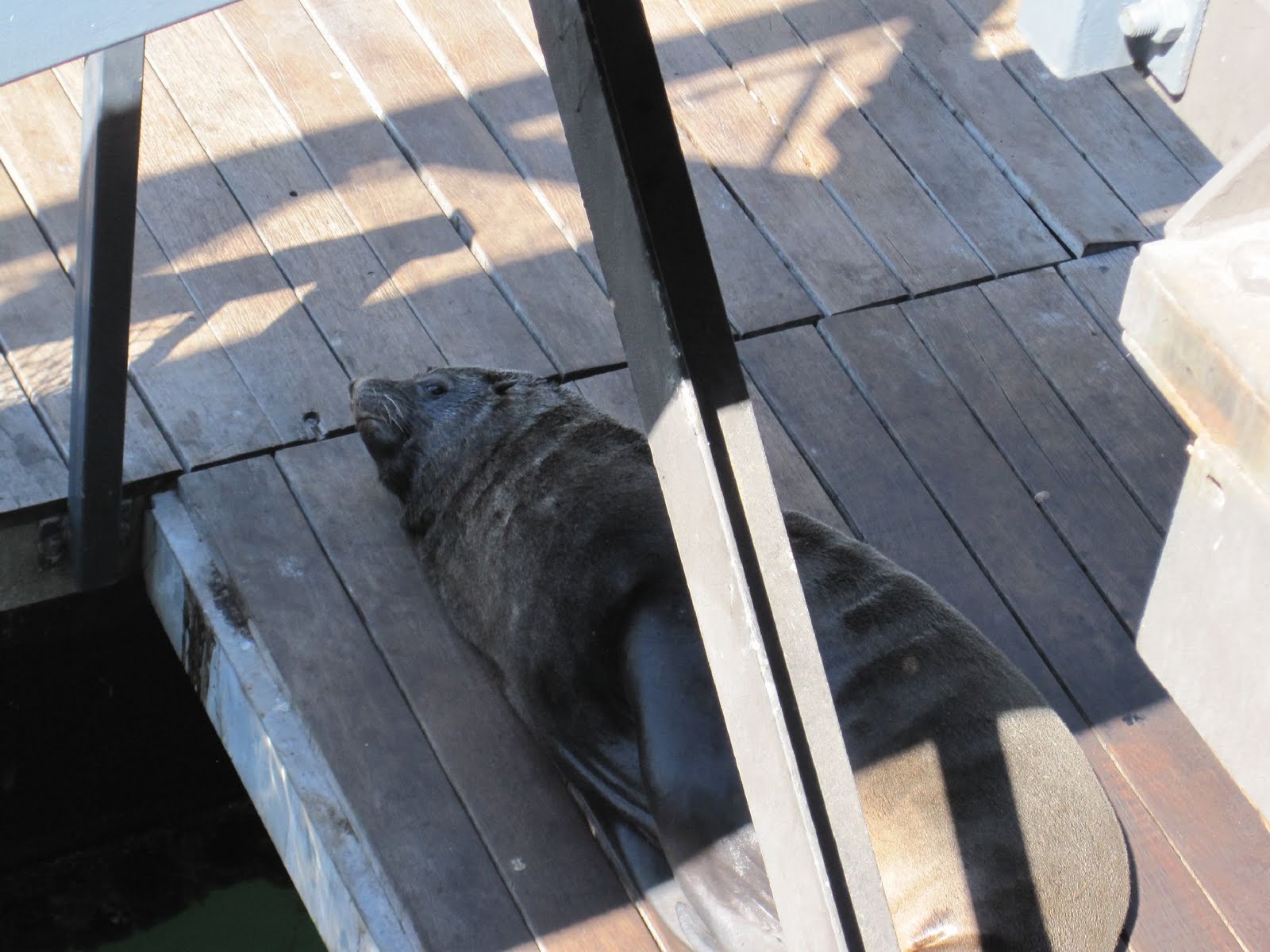
Robbe are seals in Afrikaans. So Robben Island is named after the seals. It was a place to keep prisoners right back to when the first European explorers arrived. Rogue sailors were left there. It was also a leper colony back then.
The most famous modern prisoner on Robben Island was Nelson Mandela. Many tourists do the guided tour of the prison cells and the ferry is often fully booked for days. Many locals prefer not to be reminded of that part of our past.
Robben Island has no water and it never rains there. All water is brought in. In the picture is a seal on the jetty at the V and A Waterfront.
Since we live in the southern hemisphere our seasons are opposite to those in the northern hemisphere. That means the 2010 Soccer World Cup is going to happen right in the middle of our winter.
South Africa has vastly different climates from one region to the next. The Kwa Zulu Natal coast is decidedly humid and tropical yet about 50 kilometers inland it is reminiscent of the Alps.
Cape Town has a Mediterranean climate hence the wine farms. However our winters are wet. I love the BBC weather page for information. They give average rainfall for June and July as 9 – 10 days a month. The average daily temperatures are between 7 – 18’C. Make sure you pack a raincoat and some warm clothes. Unless you are from a part of the world where 18’C is warm.
How does one get about Cape Town?
It depends … Long haul – one can do coach buses such as Intercape or fly with One Time, SAA, BA or Kulula. Longish distances – would probably best in a hired car, or with Golden Arrow who have brand new buses on the roads or by train. Click here for the bus timetables – Golden Arrow bus services.
The roads in SA, although a bit of a mess at moment, are generally good. Make sure you know where you are going in advance and have a safe place to park a car.
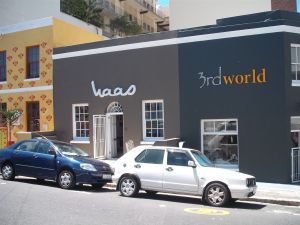
Short trips – are best by bus or taxi. I prefer the Rikki taxis which are well priced London style cabs. Minibus taxis are widely used by most locals but they do have a bit of a reputation. The aim is to get as many people as possible to wherever as fast as possible. A bit hair raising for my constitution. I would not take one if I was the only person getting in and I would not use one at night. [see minibus taxis in the picture] I also prefer to avoid the trains.
There are many more operators out there but these ones spring to mind right now.
Is public and commercial transport safe in South Africa? We do have crime. Our crime does tend to occur in hot spots. Our crime statistics are not as scary as some South Africans insist on portraying. You can look up the crime statistics in the area you will be staying at on this link – South African Police Services.