In closing the three part series on Cape Town, here are a few things to try or places to visit while you are in Cape Town.
1. Go for afternoon high tea at the Mount Nelson Hotel or The Nelly as she is known locally. Mount Nelson
2. Visit Atlas Trading, Wale Street, Bo Kaap for an incredible selection of spices, incense and more.
3. The organic food and craft market at the Neighbourgoods Market in Salt River, or the City Bowl
Market, Hope Street. Get there early. They can get seriously crowded. neighbourgoods market city bowl market
Long Street
4. A leisurely stroll along Lower Main road in Observatory for bric-a-brac, old books, anything. It’s a great place to pass time.
5. Green Point flea market and Milnerton market late Sunday mornings.
6. Coffee at Giovanni’s Deli in Green Point, they’re open early till late. They make the best coffee and their deli foods are to die for. Think balsamic roasted onions, aubergine carpachio, delicious chocolates and sumtuous wines.
7. Join the crowd and do a “full moon” hike up Lion’s Head if you around during a full moon. view from Lions Head
8. Find healthy fast food outlets Kauai or Osumo across Cape Town. Kauai menu
9. The funky fashion and food vendors along Long Street and surrounding streets.
10. A curry or roti at Biesmiellah, Wale Street, Bo Kaap. Biesmiellah menu
And lastly some unique South African foods to look for when shopping or eating out: –
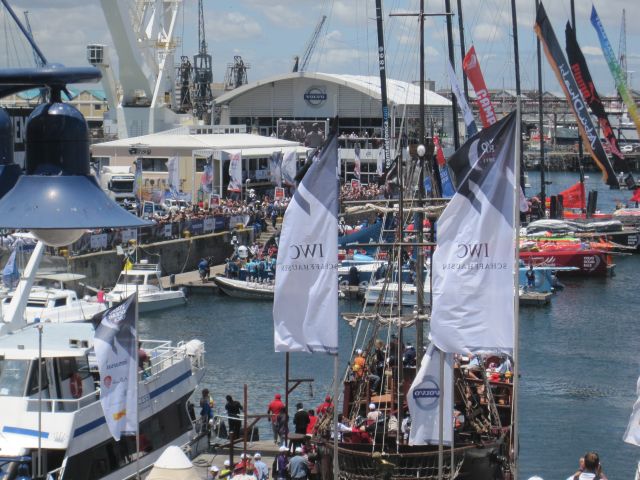
Volvo Race V and A Waterfront
1. Rooibos tea with Ouma buttermilk rusks. Dip the rusks in your tea. That’s how it’s done.
2. For a local sweet treat try Melktert, Koeksisters or Malva pudding.
3. For a dried meat snack, biltong and droewors are favourites. Also available in exotic meats such
as kudu and ostrich.
4. Smoked snoek and curried fish are local fish favourites. You can buy tinned curried fish at the
supermarkets.
5. Waterblommetjie bredie is a type of curry made with a local plant/flower as the main ingredient.
6. Mrs Ball’s chutney is a fruit condiment somewhat similar to Branston pickle.
7. Frikadelle and boerwors are cooked typical meatballs and sausages.
8. Ostrich meat is dark, low in fat and tastes quite different. Try it as a steak, sausage or burger.
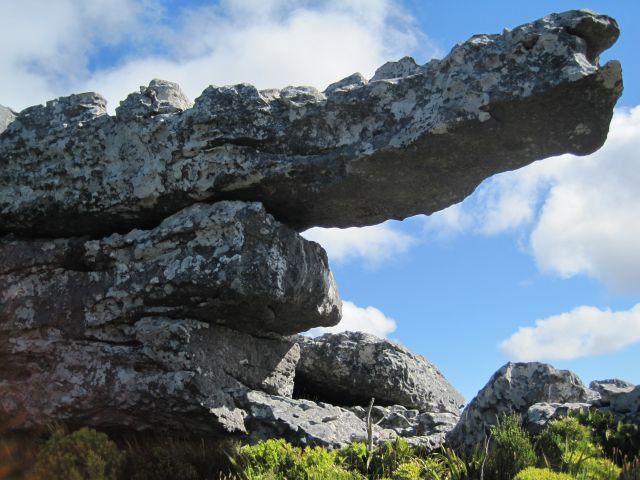
Rock formation on Table Mountain
9. Mealie meal or pap and umngqusho (nush) are both polenta type meal accompaniments.
10. Potjiekos is a slow cooked meat and vegetable stew made in a cast iron pot.
11. Pepperdews are a pickled capsicum/cherry tomato hybrid. Heaven on a pizza or in a salad.
12. South Africa wines. Even the bad wines are good.
13. Buchu brandy. A revitalising remedy used by the San people and early settlers.
The Waterfront and Robben Island
The Victoria and Alfred Waterfront is a massive shopping and dining warehouse in the harbour. Since it is a working harbour you can observe fishing boats, cruise liners, tugs and other working boats. It also has boat tours that will take you whale watching, fishing or on a sunset cruise.
If you plan to visit Robben Island, be sure to get in the queue early or you may be disappointed. Book tickets on-line to save time here – webtickets. You will also find the Two Oceans Aquarium at the Waterfront. They have over 3000 sea creatures including sharks. For more go here – aquarium.
Visit the massive craft market in the Red Shed and watch live demo’s by the craftsmen and women. There is a link for more here – waterfront. If you love crystals, visit Mineral World opposite where they have rocks and semi precious stones. At night you can enjoy fine dining and live music right next to the harbour and watch the seals lounging in the water. Robben Island takes its name from “robbe”, which are seals in Afrikaans.
Kirstenbosch Botanical Gardens
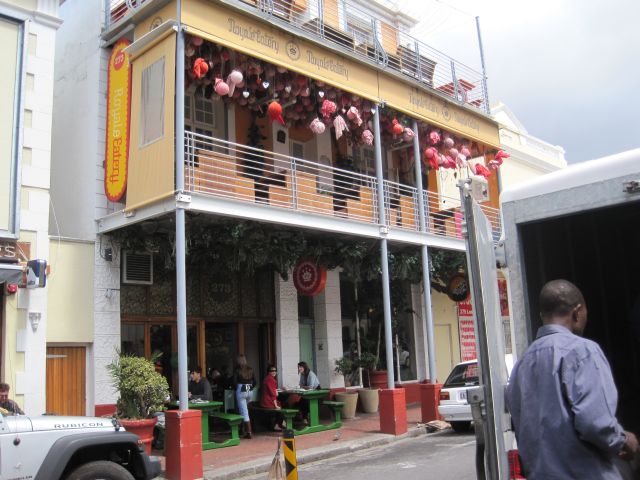
Market off Long street
You will either need to book a bus or hire a car to get there. South Africans love their great outdoors and from the activities on offer here this is evident. Apart from a chance to wander around the gardens and see over 2500 indigenous plants, you can enjoy an al fresco breakfast in one of the restaurants, take a hike up the mountain or enjoy the sunset and a live open air concert with a picnic basket. Find out who is playing on this link – Kirstenbosch summer concerts.
The Cape Peninsula and Cape Point
Cape of Good Hope
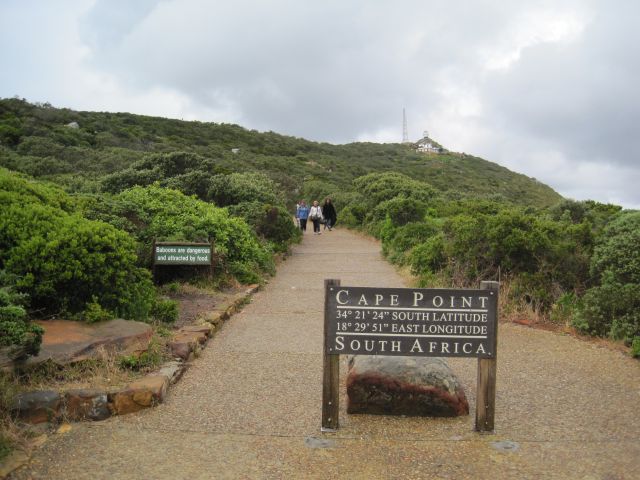
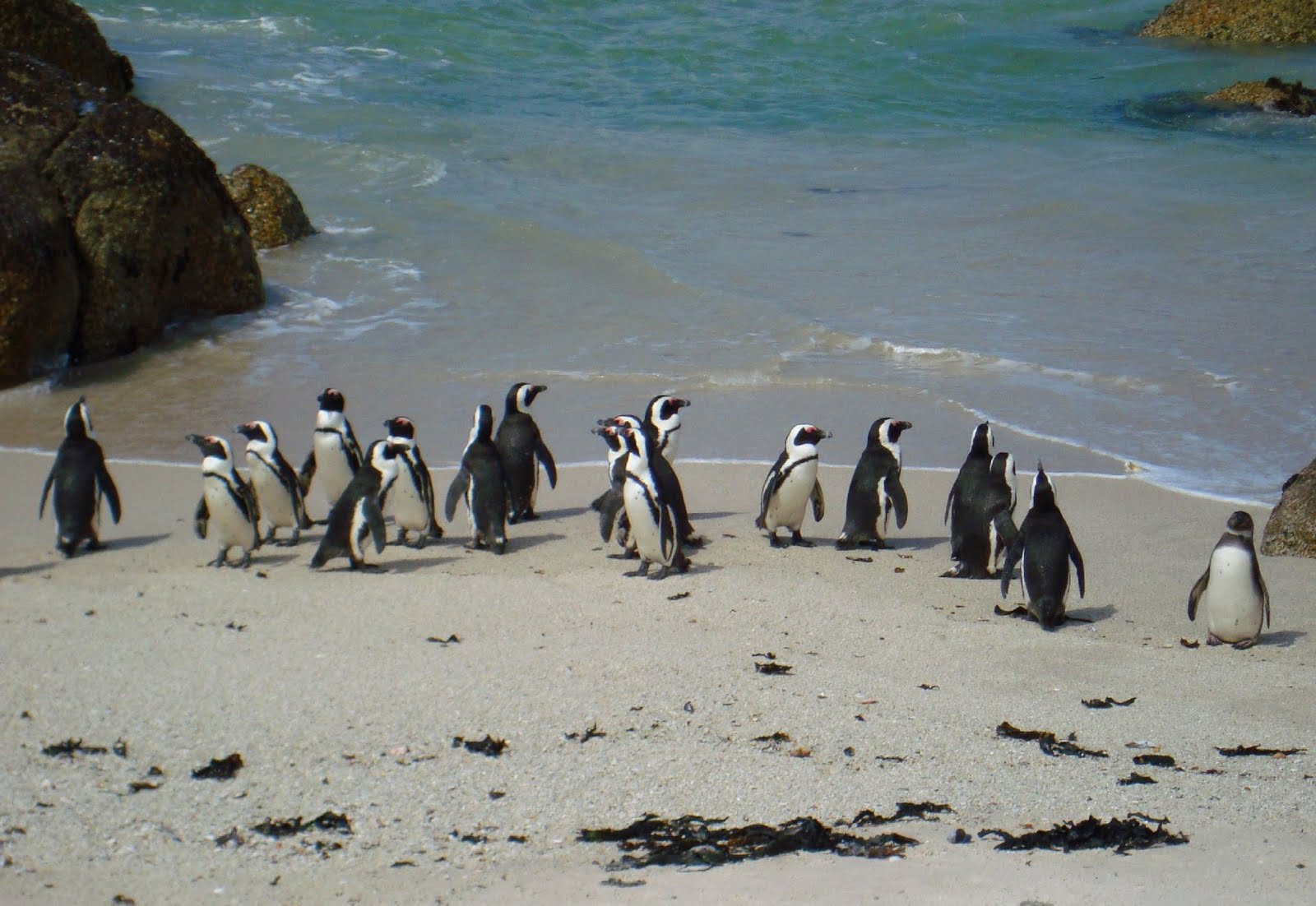
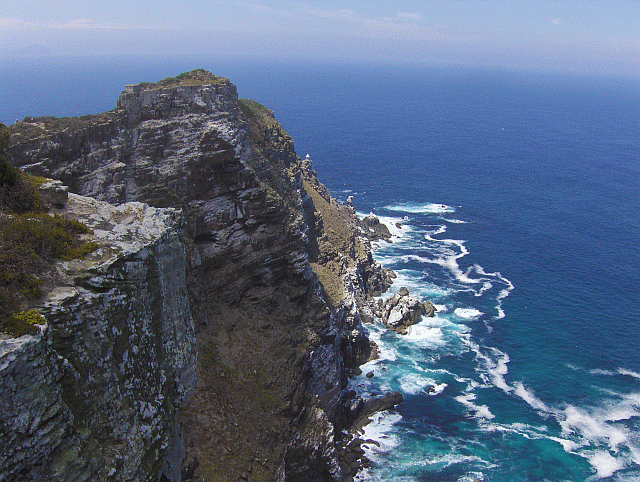
This scenic day out is reminiscent of the Amalfi Coast in Italy. The roads are believed to have been built by Italian prisoners of war. It’s a round trip from the city along the one side of the peninsula to Cape Point and back along the other side of the peninsula. Beautiful seaside scenery and fishing harbours are scattered along both the False Bay Coast and the Atlantic Coast. Cape Point is where the two oceans meet. It’s a busy day with antique shops, shark and whale watching, maritime museums, baboons, shipwrecks, designer craftsmen, famous local penguins and lots of fabulous seafood. You can do part of this trip by train from Cape Town but it doesn’t go all the way to Cape Point. Best to book a coach trip or hire a car for the day.
The Winelands
Metropolitan golf course
If the previous day out had an Italian feel to it, this area has a French flavour. Some of the early settlers were French Huguenots and many place names such as Franschoek hint at their influence. They even celebrate Bastille Day. This is another full day out and if you want to taste the wines, book a tour so you can relax and not worry about driving.
The wine farms are quite a way out of the city and there are various wine routes. The wine estates go back eras and are steeped in history. Many of them have elegant dining and award winning chefs. And of course they supply exquisite wines to go with the meals. Much of the architecture is the old Cape Dutch style with elegant curved gables and thatched roofs. Wine estates are often nestled in the mountains surrounded by vineyards.
Bo Kaap
People can be put off coming to South Africa because they have heard of local crime. The Foreign and Commonwealth Office, which gives advice to travellers says the following, “More than 460,000 Britons visit South Africa every year. Most visits are trouble-free.” Crime tends to happen in hot spots so if you are not sure, ask someone. South Africans will happily give you assistance or advice. For health and safety tips have a look at this post – Cape Town health and safety tips. And for even more tips to make the most of your time in Cape Town follow this link – 20 best travel tips for visitors to Cape Town
Cape Town is more European than the rest of South Africa. You may want to plan another trip inland where the look and feel is completely different. A bush safari or game lodge stay are not to be missed experiences.
Cape Town is a beautiful city with majestic mountains, soft white beaches, vineyards, bustling vibrant night-life, top quality restaurants, shopping and an exchange rate that makes it all affordable. It’s the African Riviera.
Average temperatures are around 26’C and you can enjoy 10 hours of sunshine a day in summer. You won’t have to contend with searing heat or cloying humidity. The climate allows you to comfortably enjoy many outdoor activities. The best time of the year to visit, is from September to April.
Car hire and shuttle services are easily available and affordable. If you want to include a GPS, rather hire from the mobile phone companies than the car hire companies. Follow these links for more – road trips and getting about. Choose the MyCiti bus for your airport transfer. They are well priced, fast and easy to use – airport transfer.
V and A Waterfront
You are likely to experience a typical warm and friendly welcome right from the start of your trip. South Africans are known for their friendliness so don’t be surprised if they chat to you as if they know you.
The standard of food and accommodation in South Africa is good. Click on this link for a feature on accomodation – Cape Town accomodation.
It’s ideal to base yourself in the City Bowl or Atlantic Seaboard as the best selection of beaches; restaurants and shopping are all in or near the city area. Getting around the city is a breeze in a Rikki, which is a vibrant coloured, well priced, London style cab, read more here – Rikkis cabs. Avoid mini bus taxi’s unless you are with someone who knows them and their routines well.
Boulders Beach
Eating out is diverse from high end and classy to fun and funky. Check out the Eat Out and Dining Out websites if you need ideas. And if you can’t bear to move after a long day on your feet then why not let Mr Delivery bring restaurant food to you.
The must see places in Cape Town are: –
1. The City Centre, Camps Bay, the local beaches and Table Mountain
2. The Waterfront and Robben Island
3. Kirstenbosch Botanical Gardens
4. The Cape Peninsula and Cape Point
5. The Winelands
The pink district
To plan your days wisely, first visit the city tourism offices. You will find one on the corner of Bree Street and Castle Street in the city and the other tourism office can be located at The Clock Tower Gallery in The Waterfront.
A Cape Town version of Time Out Cape Town magazine is also a handy source of information. There is so much to do that it would be advisable to allow a good few days in Cape Town. The big advantage of the favourable exchange rate is that you can also including a spa day to make your stay that extra bit special. See more here – spa break in Cape Town.
Simonstown Yacht Club
If you are after more action then you could try shark cage diving or for something authentic try a township tour. See – Mzolis. Do check the weather as the cable car and ferry don’t go out in rough weather but that seldom happens. Follow this link for more links to outdoor activities – what to do outdoors in Cape Town.
Alcohol is not available for sale after hours and on Sundays in South Africa unless at a venue with a shebeen license. Not all petrol vendors accept credit cards, so make sure you have cash for the payment.
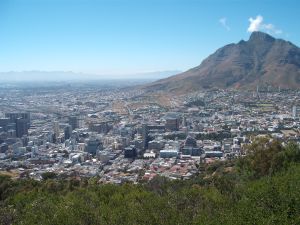
The City Centre and Table Mountain
Table Mountain is a world heritage site with over 22 000 species of “fynbos” and unique fauna. You can walk up or you take the rotating cable car but make sure you get in the queue early and dress warmly. There are a number of walks on and around Table Mountain, some of which are only for the fit and adventurous. The cable car is half price after 18.00 pm and you may want to take a picnic basket and watch the setting sun over the city. At night the city lights twinkle from the mountain. For links to hikes and walks go here – day walks in Cape Town and walking on Table Mountain.
Cape Point
You could end your day on the beach with a sunset picnic. Camps Bay beach and Clifton’s coves, called 1st, 2nd, 3rd and 4th beaches, lie on the other side of the mountain. If you are after a cocktail there are stylish cafes and bars where beautiful people show themselves off opposite Camps Bay beach. The local nudie beach is called Sandy Bay and is further out in Llandudno. No alcohol is permitted on public beaches.
Camps Bay beach
Long Street area has a host of restaurants, funky fashion boutiques, vintage clothing stores, curio shops and vendors of tourist items such as scooters and bicycles. Take time to wander about the museums amid the original Cape Dutch architecture. At the end are the old public swimming baths and following on with the road up Kloof Street is more of the same. Do visit Wellness Warehouse at The Palms shopping centre. Wellness Warehouse is a shrine to all things organic and their buffet meals and fresh juices are sublime. Visit their website here – Wellness warehouse.
At night you will find clubs, pubs, live music and stand-up comedy on Long Street. The gay nightlife is in the Waterkant and Green Point areas. Also known as the pink district.
Your road trip to Edinburgh could include the Whisky Trail. Edinburgh is the capital city and home to Holyrood or the Scottish parliament. It is also the location of Edinburgh Castle. It is much, much more touristy and you will find museums and homage to all things Scottish at every turn. It all happens along the Royal Mile. There is a massive Edinburgh International Festival once a year around August called The Fringe. Think stand-up comedy and theatre. It’s a place for newcomers and old timers to show what they can do. The whole world seems to rock up for this event and if you are not inclined to mega crowds you will be glad to have missed it. If you love bagpipes you could plan to visit around the time of the Edinburgh Tattoo. Shopping in Edinburgh is not all that. Sorry to say. The shopping area in Edinburgh is Princes Street. I recommend the Haymarket area for a walkabout. Edinburgh has a few famous musicians, namely KT Tunstall, Shirley Mason of Garbage and Idlewild.
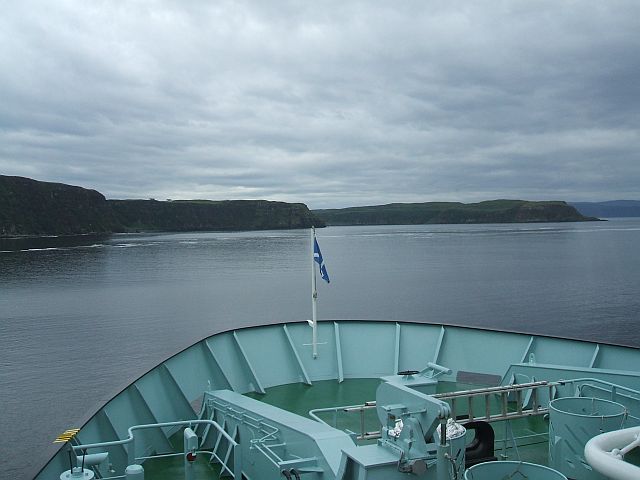
Ferry to Isle of Harris
After a day in Edinburgh you can drive to the north-east via Stirling and the castle which is geared to tourists. Swing past the Falkirk Wheel which is an engineering feat. It’s a boat-lift shaped something like The London Eye, it rotates boats in a circle in lieu of a boat lock and connects the Union Canal with the Forth and Clyde Canal.
Aberdeen is the third largest city. It’s a working city. Aberdeen was once a fishing village but is now the oil capital of Europe. All the buildings are built of big grey bocks of granite. The east coast is not as classically scenic as the west coast. The beauty of the eastern areas lies just inland where beautiful villages dot the area. If you cut across from Edinburgh to the east coast area you can visit quaint towns like Arbroath, Stonehaven and Montrose. Balmoral Castle, the Queens favorite, is also located in the Royal Deeside area not far from Aberdeen. You could drive up from Edinburgh via Perth and Dundee to Aberdeen. Aberdeen is also on the Megabus route and you can add on another 3 – 4 hours from Glasgow should you wish to go direct to Aberdeen. It’s a bum-numbing 12 hours from London. Aberdeen’s most famous musician is Annie Lennox.
Piper playing in central Aberdeen
Scotland has banknotes from the Royal Bank of Scotland and Clydesdale Bank. English banknotes are accepted in Scotland but the reverse is not always the case. So make sure you spend your Scottish pounds before you leave Scotland. Scotland is not metricated so road signs and your car speedometer are in miles. Glasgow to Skye is about 200kms as the crow flies but in real time the trip will work out more than a straight journey.
Things you really should try to do while in Scotland are. Try a typical Scottish breakfast complete with black pudding. The Scots do a good and hearty breakfast. You should try vegetarian haggis if you don’t eat offal and we are led to believe the best steaks come from Scotland, the Aberdeen Angus.
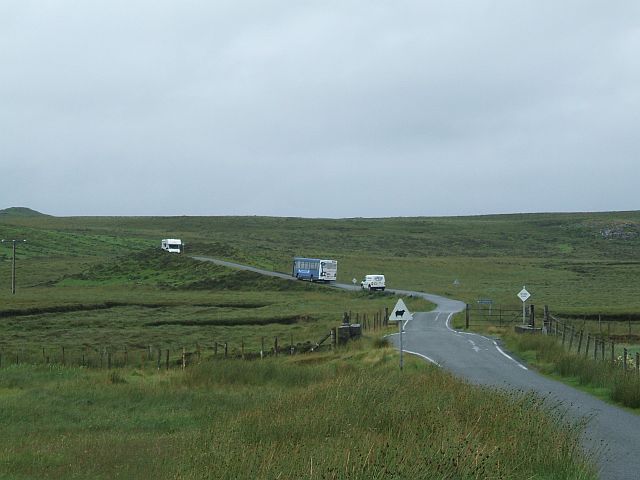
Narrow country roads in Scotland
Do find a piece of family tartan. Almost everyone has a connection to a family or clan in Scotland and it makes you feel part of the country.
Please watch Scottish Star Trek on You Tube Scottish Star Trek so you can practice listening to Glaswegian patter which is nigh impossible to understand. These people are speaking English but you would never know it.
Do try the local ales. They take their beer drinking very seriously in the whole of the UK and you can spend hours browsing the supermarket shelves with the ranges on offer. Beer is not just beer. It’s a bitter, or a lager, or an ale and the brewers are masters. If beer is not your thing, then try an Iron Bru. It’s the local fizzy drink of choice. Scotland is the only European country where a cola is not the top soft drink.
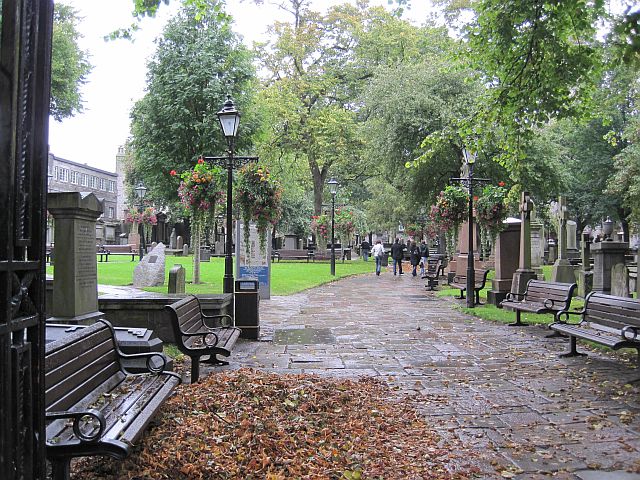
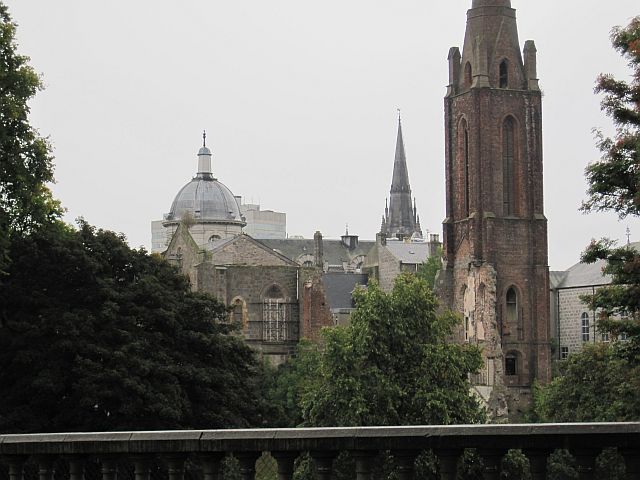
St Nicholas Kirk Aberdeen
Don’t eat out too often if you can help it. It’s so expensive and often disappointing. Some pubs offer great food and good value but the UK is not known for it’s cuisine. The range of ready meals and imported fruits and cheeses in the supermarkets is staggering.
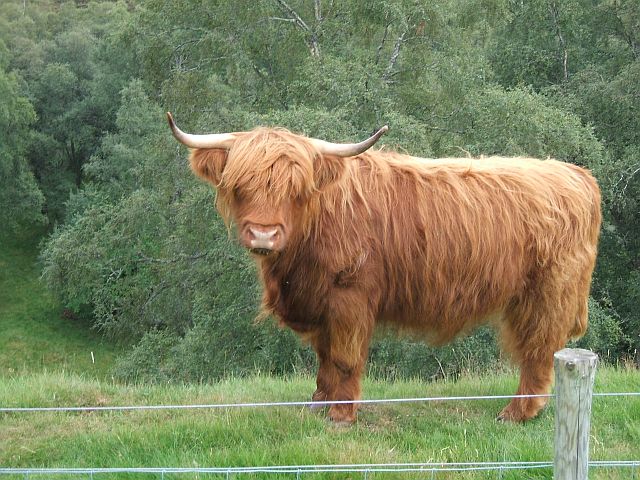
Lookout for the highland cows on your way, they’re easy to spot and are so cute and shaggy.
Try www.laterooms.com for accommodation. You’re looking at from £50 per night for a room. Usually includes breakfast and the standard of accommodation is good in the UK.
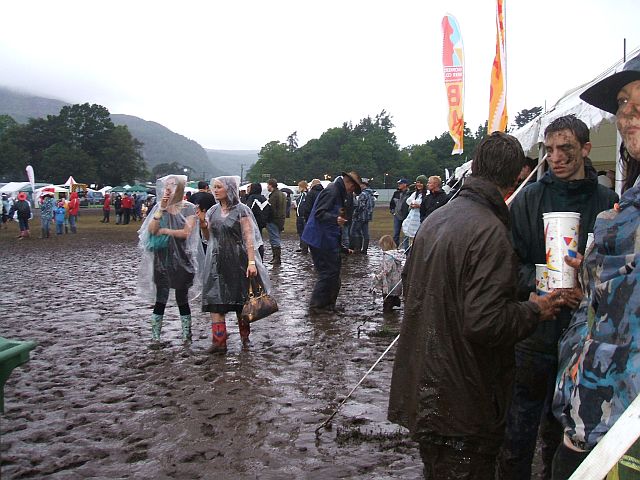
Outsider music festival
Scotland is colder and wetter than England. It is colder in the west than the east and as you head north to Aberdeen it get’s even colder. The BBC weather site shows Edinburgh in June and July months at the height of their summer as having average 5 – 6 hours sunlight a day, average maximum temperatures as 17’C – 18’C and average monthly rainfall as much as 83 mm. The sun comes up about 04.30 am and goes down about 10.00 pm. Read more about the weather and seasons here – Scotland weather and seasons.
Stone circle Templewood
It is the opposite in winter when average day temperates are 6’C to 7 ‘C and at night it will be close to freezing. The sun comes up at 08.45 am and goes down 15.45 pm and average sunlight hours are 1 hour a day. It can be a grey country. Bands like Wet Wet Wet and Travis singing “Why does it always rain on me?” are telling us something.
It does snow in Scotland. As you drive about you will see snow poles on the sides of the roads and big yellow bins with a mix of grit and salt to melt the snow on the roads. In Aberdeen it is possible to see the Northern Lights in winter. If you have a world map handy you will see that Aberdeen is on the same latitude as Moscow. Scotland is a long way up north.
If you are going in winter pack warm and always pack a Mackintosh – aka a raincoat. Scotland is famous for it’s inventors. Some other well known inventors apart from Mackintosh and his raincoat include James Simpson – anaesthetics, Johan Loudon MacAdam – tarred roads, Alexander Crum Brown – chemical bonds, Thomas Telford – iron bridges, Joseph Lister – antiseptics, James Boyd Dunlop – tyres, John Napier – the decimal point and Sir Alexander Flemming – penicillin. This is by no means all the Scottish inventors and a Google search will yield some surprises. The Scots are canny lot not only with their money.
Edinburgh Tattoo – tattoodonkey.com
It’s not just the country but it’s people that are so much a part of the experience. Get cracking looking up your ancestors and head north to find your roots. The next time you hear the bag pipes you can check to see if the piper is a wearing your clan tartan.
Scotland is to England like chalk is to cheese. If you plan to give Scotland as miss because you have been to England, think again. Scotland has a ruggedness and a character all of it’s own. The Scots are so down to earth and friendly you’ll wonder why you didn’t skip England and just head straight up north.
The population of Scotland is just over 5 million. It’s a small country, about 79 000 km2, which means getting around is relatively easy. Most entry flights to Scotland terminate in Glasgow, however many budget flights terminate in London. You may plan a day or two in London before making your way north. I leave that to you.
Megabus
The cheapest way to get to Scotland from London is via Megabus – megabus. The London bus terminus is a 10 min walk around the corner from the London Victoria Station. The London Victoria Station does not have escalators, or lifts, so make sure you can carry your bags up the stairs. It’s not as deep as some of the other tube stations but it’s still a schlep.
Glasgow by Sven Hagenberg
Consider basing yourself in either Edinburgh or Glasgow. They are located south of Scotland, but are central, making it an easy base from where you can do day trips. They are also the biggest cities in Scotland. Go to Google maps UK to get a feel for the layout of the country – map of Scotland
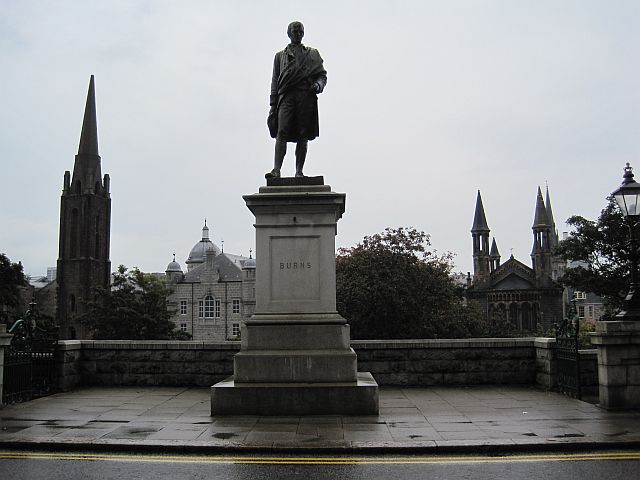
Rabbie Burns
Both Edinburgh and Glasgow are about 9 ½ hours by bus from London. Megabus bookings open up a good few months ahead. Make sure you book early to bag the cheapie seats. They go up substantially if you leave it too late. The buses leave early-ish in the morning. You can also travel overnight if you prefer, but then you will leave nearer to midnight. Megabus services depart daily for most destinations in the UK and Scotland.
Skyline in Aberdeen
Your best bet is to hire a car to get around Scotland. I suggest Enterprise Car Hire www.enterprise.co.uk for the best deal. The current rate is approximately £12 – 14 per day for an A group car such as a Ford Ka. This excludes petrol, but includes unlimited mileage and insurance. Petrol is about £1.20 per litre when oil prices are lower. Book as soon as you can. I suggest you collect and drop off the car in Glasgow or Edinburgh. Remember Scotland is NOT England. You will have to pay a drop-off fee of around £75 if you drive to England. Traffic in and around London can be really bad and you could find yourself gridlocked. Remember central London has congestion taxes. Rather take the Megabus if you have to return to London, or one of the trains.
The three major cities in Scotland are very different in character. Glasgow is the biggest city in Scotland. It’s my favourite. Not considered the prettiest, although I would disagree. Glasgow is the working capital, the art and music capital and the shopping and party hub of Scotland. It’s brash, working class and in your face. It’s also fun, trendy, arty and the centre of most Scottish music. Think Wet Wet Wet, Franz Ferdinand, Ultravox, Primal Scream, Donovan, Fratellis, Texas, Love and Money, Glasvegas, Hipsway, Travis, Jerry Rafferty, Big Country, Jesus and Mary Chain, Deacon Blue, Simple Minds, Hue and Cry, Belle and Sebastien, The Delgados, Biffy Clyro, Paolo Nutini, Snow Patrol, Fairground Attraction.
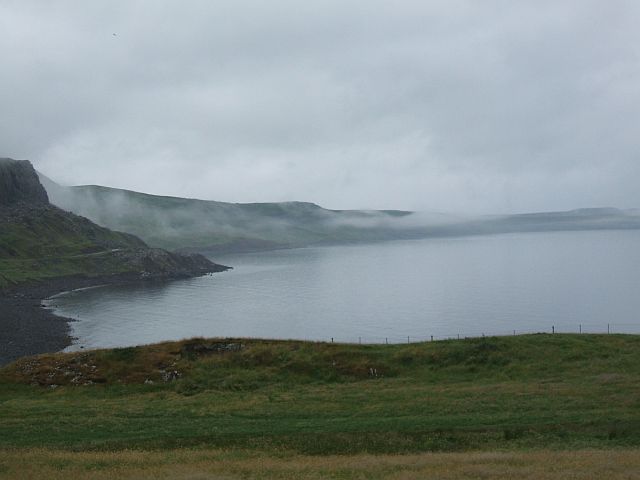
Scotch mist on the Isle of Skye
Phew!
There must be something in the water. Glasgow is crawling with universities and colleges including some world famous faculties like the medical school where a doctor inspired the character of Sherlock Holmes.
Scottish flag – St Andrews Cross
Glasgow has loads of art galleries and museums. Their art colleges have guided tours and check out GOMA (Gallery Of Modern Art) which is free and has strange modern art. Glasgow is also the home of Charles Rennie Macintosh and his art nouveau followers. His influence on architecture and design is highly evident. They have some quaint original Tea Rooms where you can take tea in the old style. There is plenty of shopping. (The South African in me loved Nelson Mandela Square.) You can also visit the old style tenements, which were ghettos before, and where the likes of Billy Connolly grew up.
I fell in love with the Glasgow train station and took a train to Paisley. No more scarves anymore and Paisley was a bit run down, but passing in and out the station was enough for me. The River Clyde where the old boatyards were located, cuts through the city. Glasgow used to be a city in disrepair but it was on the receiving end of massive grants and it shows. You can see lots of funky modern architecture and renovated old buildings.
Crinan Marina
If you decide to do a road trip, which I recommend, from Glasgow head north-west toward Fort William via Loch Lomond. Ben Nevis and the ski-ing area of Aviemore are in the heart of the highlands and are near Fort William. Check out if there any music festivals around that time. T-in-the-Park and Rockness are two big music festivals in Scotland. A day at one of them is an amazing experience, a full weekend can be great, but oh so long. There are also plenty smaller music festivals.
Highland cow
Back to your road trip. Start veering west to the Isle of Skye. Skye is scenic and old world. They still speak a bit of Gaelic there and local TV is in Gaelic. If you have time I suggest taking a ferry to the the Hebrides. They still manufacture their own heat from the peat which they dig out of the bogs and they weave their own fabrics. Ever heard of Harris Tweed? Nike manufacture sneakers from it. You see place names in Gaelic and they speak even more Gaelic than on Skye. It’s so rural and remote that the roads appear to be designed for sheep and not cars.
Coming back from Isle of Skye, head back to the mainland and east toward Inverness taking in Loch Ness. Along the way are loads of castles and prehistoric monuments. There are road signs indicating these monuments. Some stone circle you can get up close and personal with, while some are only seen from the outside as you walk past them. If you have a road map, the prehistoric monuments are marked. Plan to visit them in advance so you don’t drive past them by mistake. Prehistoric monuments include long barrows and stone circles. Scotland has stone circles galore and castles in various states of repair and disrepair.